
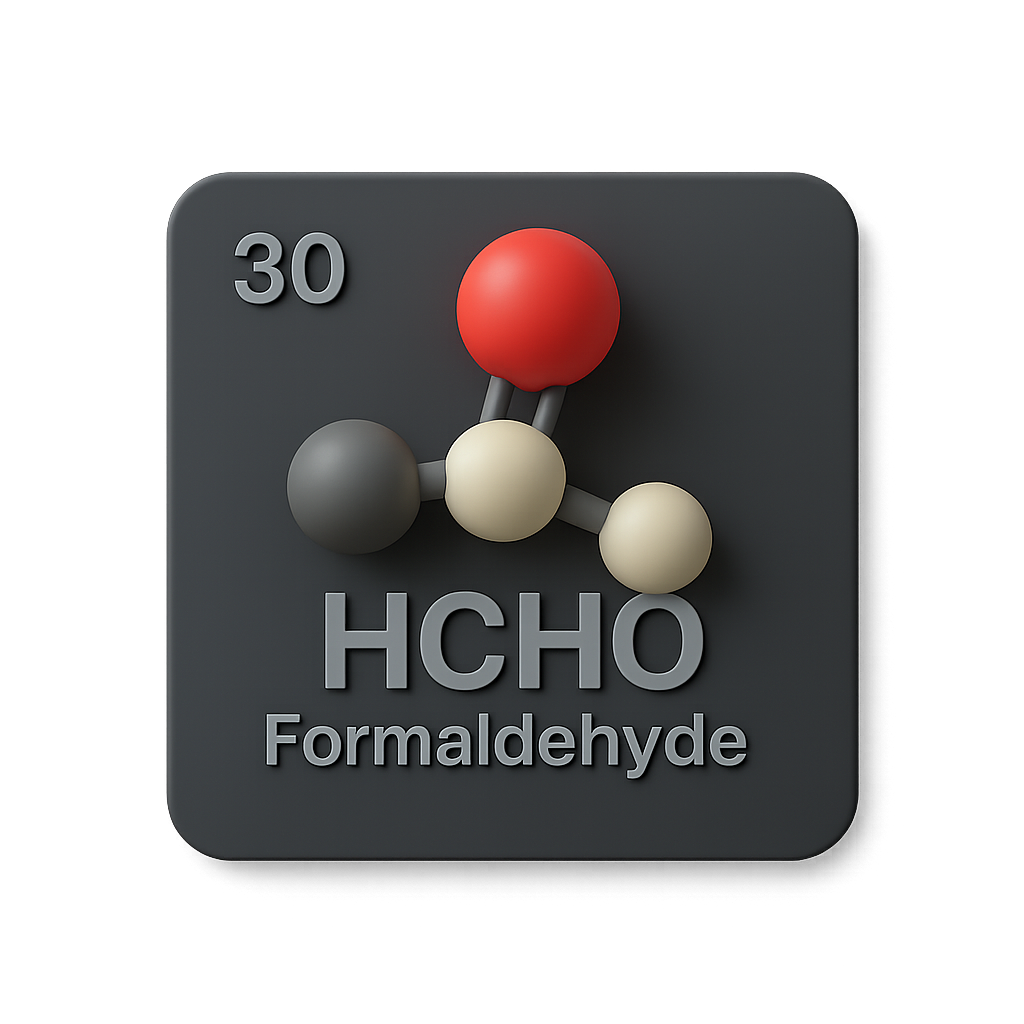
Formaldehyde Gas – A Homeowner’s Guide to Understanding and Protecting Your Home
What is Formaldehyde Gas?
Formaldehyde is a colorless gas with a strong, sharp odor. It is commonly used in building materials, household products, and furniture. Unlike some hidden dangers like radon, formaldehyde often has a noticeable smell, but that doesn’t make it less harmful.
- It can irritate the eyes, nose, and throat.
- In higher or long-term exposures, it has been linked to more serious health issues, including cancer.
- The biggest concern is that formaldehyde is often released slowly over time from materials inside your home — meaning exposure can continue for years without you realizing it.
Where Does Formaldehyde Come From?
Formaldehyde is one of the most common indoor air pollutants because it’s used in many everyday materials and products. Sources include:
- Building materials: pressed wood products (plywood, particleboard, fiberboard), insulation, adhesives, and glues.
- Furniture and cabinetry: especially items made with pressed wood or manufactured wood.
- Household products: cleaning products, paints, varnishes, air fresheners, and cosmetics.
- Combustion sources: cigarette smoke, fireplaces, and gas stoves can also release formaldehyde.
Formaldehyde levels are usually highest in new or recently renovated homes where new materials and furniture are still “off-gassing.” Levels tend to decrease over time but can remain present for years.
Why is Formaldehyde Dangerous?
Formaldehyde is classified as a known human carcinogen by health agencies worldwide. The risks of exposure include:
- Short-term effects: watery eyes, burning in the throat, coughing, skin irritation, and headaches.
- Long-term effects: prolonged exposure has been linked to asthma, chronic respiratory problems, and certain types of cancer, particularly nasal and throat cancers.
Children, older adults, and people with asthma or respiratory conditions are often more sensitive to formaldehyde exposure. Even low levels can cause discomfort in sensitive individuals.
Why Should Homeowners Care About Formaldehyde?
Formaldehyde exposure is most concerning indoors, where we spend the majority of our time.
- New homes, remodels, or recently purchased furniture can release higher levels of the gas.
- Homes that are tightly sealed for energy efficiency may trap formaldehyde inside, allowing it to build up.
- Because so many household items contain it, almost every home has some level of formaldehyde present — the key is keeping it as low as possible.
If you or a family member experiences unexplained irritation, respiratory problems, or headaches that improve when leaving the house, indoor air quality and formaldehyde could be part of the issue.
What if Formaldehyde is Found in My Home?
The good news is that formaldehyde exposure can be managed and reduced. If levels are a concern, steps can be taken to improve your indoor air quality:
- Increase ventilation: open windows regularly, and use exhaust fans in kitchens and bathrooms.
- Control indoor temperature and humidity: heat and humidity increase off-gassing, so keeping your home cooler and drier helps lower formaldehyde levels.
- Choose safer products: when buying furniture or remodeling materials, look for low-emission or “formaldehyde-free” options. Many products are now labeled to show compliance with air quality standards.
- Avoid smoking indoors: cigarette smoke is a major source of formaldehyde.
Tips for Reducing Formaldehyde in the Home
- Wash new clothing, curtains, and fabrics before use to remove chemical residues.
- Let new furniture and building materials “air out” in a garage or well-ventilated space before bringing them inside.
- Use an air purifier with activated carbon filters to help absorb formaldehyde and other volatile organic compounds (VOCs).
- Replace pressed-wood products with solid wood, metal, or glass when possible.
- Keep humidity levels in your home below 50%.
The Bottom Line
Formaldehyde is a common indoor pollutant that can pose serious health risks if levels are too high. While it’s impossible to completely eliminate formaldehyde from your home, there are many steps you can take to minimize exposure.
- Be aware of sources: especially in new or recently remodeled homes.
- Improve ventilation and humidity control: fresh air and dry conditions help reduce buildup.
- Choose healthier products: low-emission options make a big difference over time.
- Protect your family: addressing formaldehyde concerns ensures your home’s air is safe and healthy.
A Home Health Inspection that checks for formaldehyde and other indoor pollutants gives you peace of mind, helping you identify risks and create a healthier living environment.
 Home Health Inspections